.jpg)
Key Features:
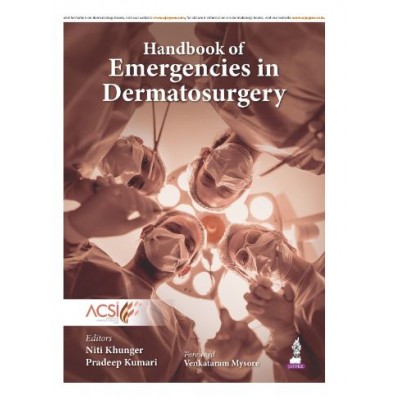
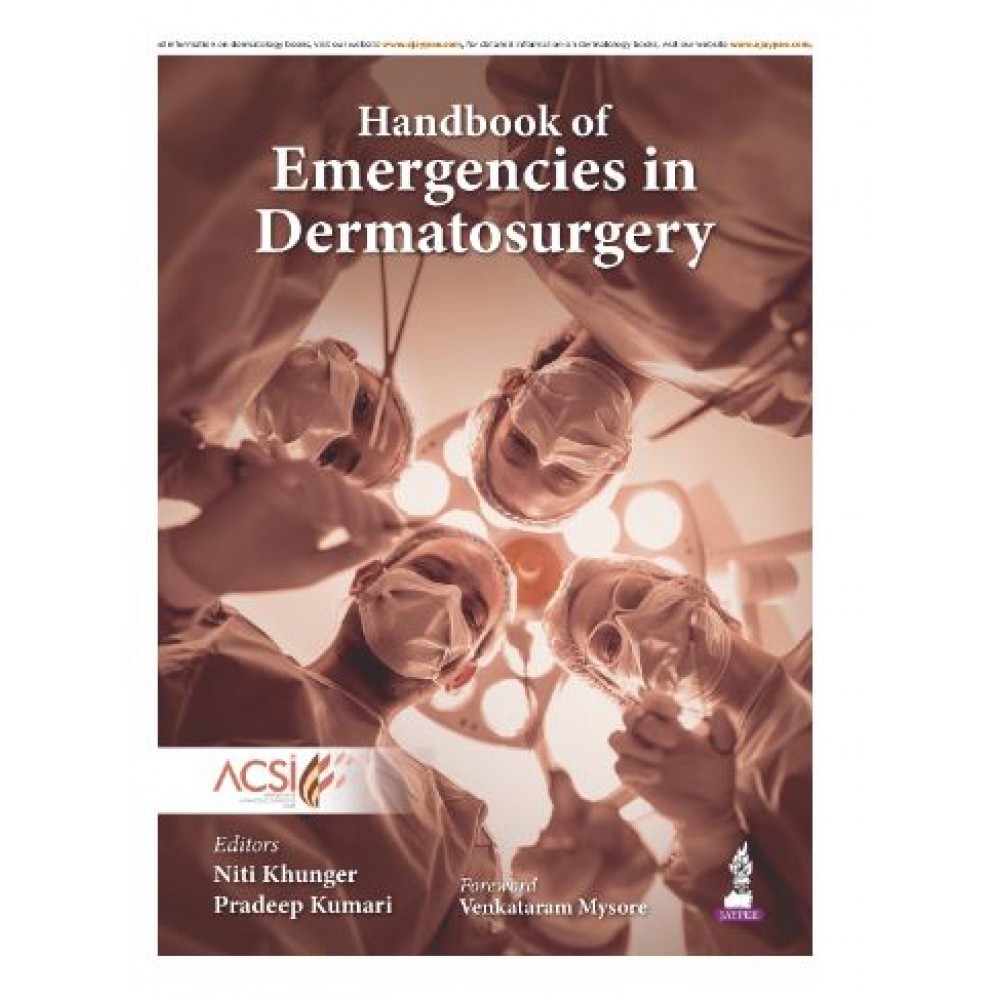
- 43 chapters across 6 sections: fundamentals, general emergencies, procedure-related emergencies, special populations, safe practice, and quick guides with flowcharts.
- Emergency drug protocols, practical algorithms and procedural checklists that can be implemented in everyday clinical practice.
- Chapters close on Key Points and references, with boxes setting out procedure-specific complications.
- A safe-practice section covering checklists for safe surgical practice, medicolegal considerations, handling aggressive violent patients, and handling police complaints and court cases.
- Cross-specialty contributions from neurologists, cardiologists, ophthalmologists and psychiatrists.