.jpg)
Key Features
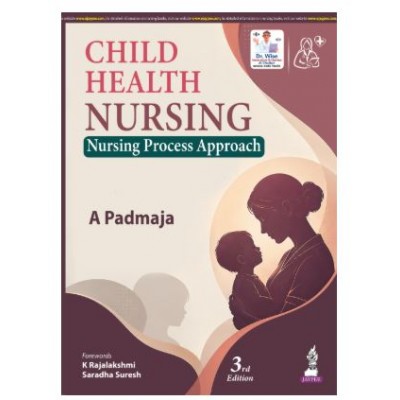
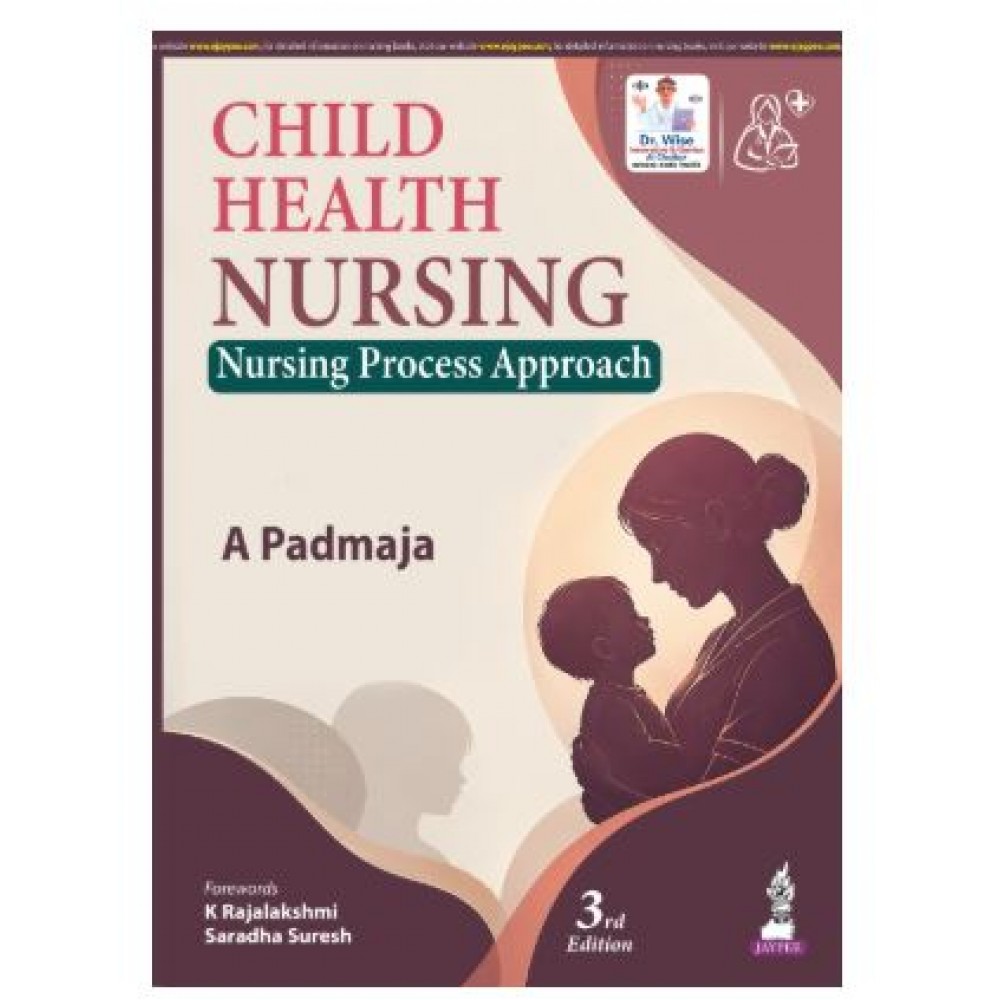
- Contains 23 chapters aligned with the Revised Nursing Syllabus. Each disease condition that is discussed in the chapters begins with a concise introduction. Includes diagrammatic illustrations of pathophysiology, highlighting causative factors, symptoms and complications. Presents essential nursing diagnoses, related risk factors and defining characteristics within the nursing process, organized according to the affected body system. Maintains a consistent format for defining characteristics in essential nursing diagnoses and nursing processes. Bases the nursing diagnoses on the NANDA taxonomy. Elaborates the nursing process chapters according to the components of the nursing process and includes the application of nursing theories. Provides thoroughly updated content, including nursing processes for the normal newborn and family, adolescents and hospitalized children, as well as genetic disorders, neoplastic disorders, communicable diseases and mental disorders, including behavioral disorders. Provides multiple choice questions at the end of each chapter to help students evaluate their understanding and recall of the subject matter. Offers flexible care plans that help practitioners establish interrelationships among nursing diagnoses and related care options. Serves as a useful reference manual for practicing nurses. Helps nursing educators teach effectively and prepare students for examinations. Promotes a uniform standard of nursing education in India.