.jpg)
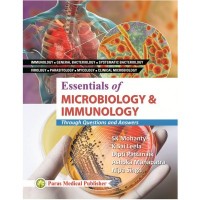
Key Features
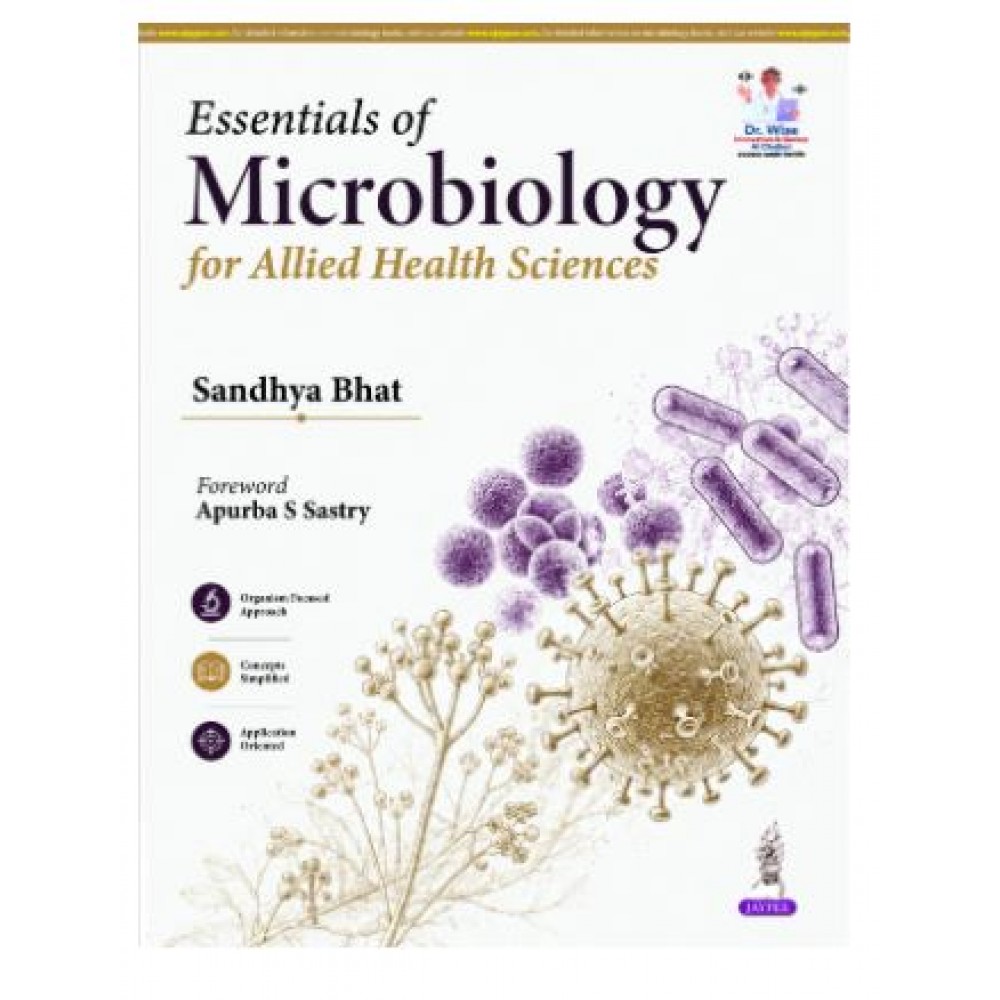
- Organism-based presentation with separate sections on bacteriology, virology, parasitology and mycology. Specially designed for BSc Medical Laboratory Technology, allied health sciences, physiotherapy and AYUSH courses. Well-structured general microbiology section, including fundamental concepts of bacteriology. Comprehensive immunology coverage, including immunity, antigens, antibodies, complement, antigen–antibody reactions, hypersensitivity, autoimmunity, immunodeficiency and immunoprophylaxis. Dedicated hospital infection control section covering healthcare-associated infections, standard and transmission-based precautions, sterilization, disinfection, biomedical waste management and needlestick injury. Detailed systematic bacteriology covering medically important gram-positive and gram-negative bacteria, mycobacteria, anaerobes, spirochetes, rickettsiae, chlamydiae and mycoplasma. Updated virology section covering DNA and RNA viruses, including HIV, hepatitis viruses, rabies, poliovirus, arboviruses and a dedicated chapter on COVID-19. Comprehensive parasitology section covering protozoa, malaria, cestodes, trematodes, nematodes and ectoparasites. Mycology section covering superficial, subcutaneous, systemic and opportunistic fungal infections. Applied microbiology section based on common infective syndromes such as bloodstream infections, meningitis, urinary tract infections, diarrhea and respiratory infections. Separate chapter on proper specimen collection, including correct technique, adequate quantity and appropriate timing before antimicrobial therapy. Annexures on laboratory safety, laboratory-acquired infections, quality control and practical microbiology. Concise, bulleted and examination-oriented presentation with simple language and highlighted boxes for quick revision.